I learned it the hard way.
Twice I tried to break free without a foundation, and twice I ended up right back where I started. This is the story of how I finally got the order right.
If you'd told sixteen-year-old me that I'd end up here, standing on twelve acres of my own land in the East Algarve, watching the hills behind Castro Marim turn gold as the sun drops towards Spain, I'd have laughed at you. Honestly, I'd have thought you had the wrong girl.
Because the girl I was didn't end up in places like this. She got told, fairly early on, that she wasn't going anywhere much at all. So let me tell you how I got here, because it wasn't a straight line, and I didn't get it right the first time. Or the second.
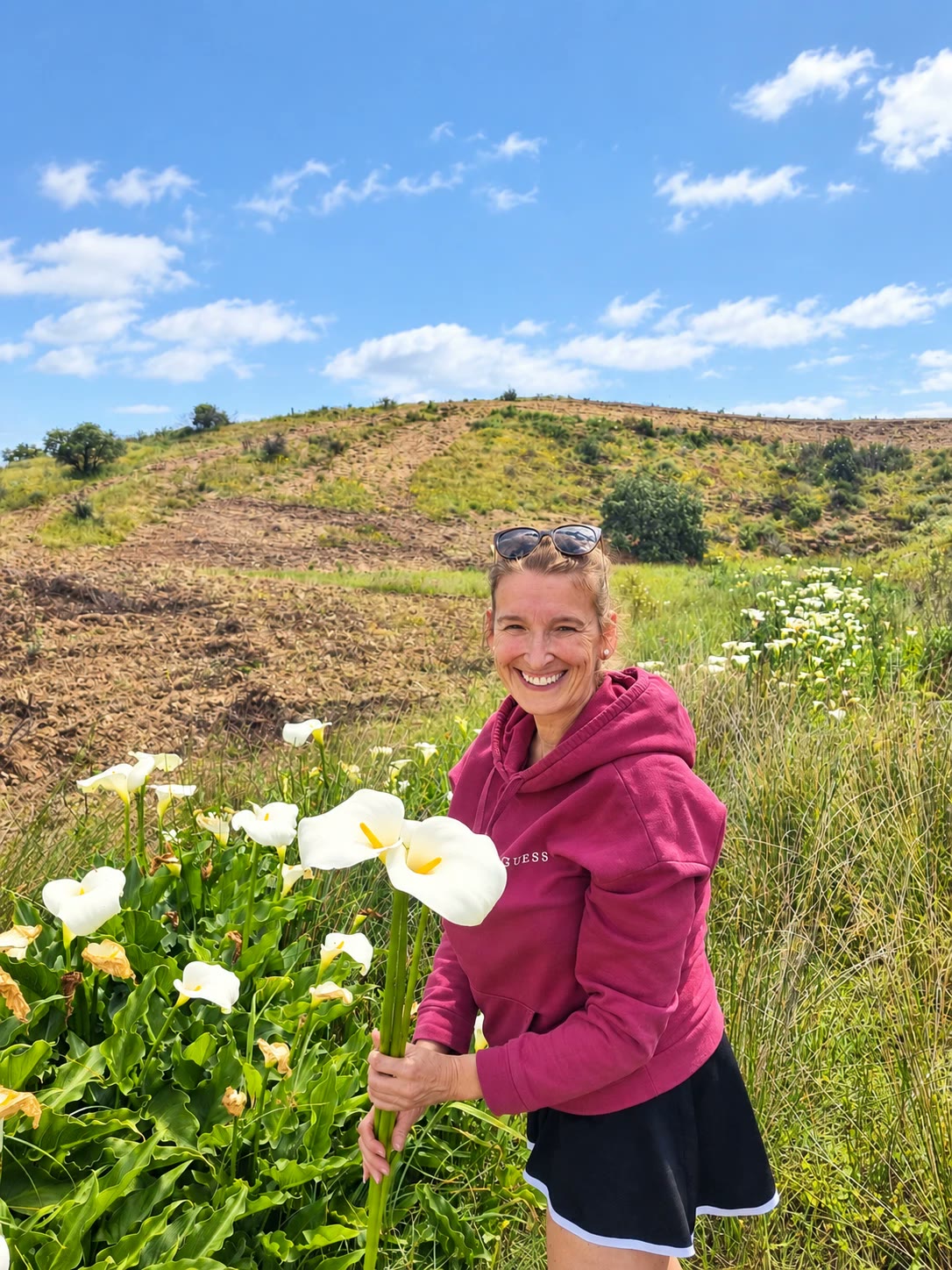
Written off at sixteen
I grew up in Northern Ireland, and by the time my O Levels were done the school had already made up its mind about me. The others were going on to A Levels. I wasn't. Nobody said it cruelly, exactly, but the message was clear enough: this one isn't academic, so don't get your hopes up.
What nobody knew back then, me included, was that I'm dyslexic and I have ADHD. My brain just didn't fit the shape of the exam. It still doesn't, and I've made my peace with that, but at sixteen it felt like a door slamming in my face.
So I did what I've done ever since. I found another way. I talked my way into technical college without the grades, and when that went well I talked my way into university too. By the time I went on to postgraduate study I didn't need to talk my way in at all, because this time I had the grades. I came out with a BSc in Computing Science and a postgraduate diploma in human computer interaction, both from the University of Ulster, and a lesson that has never left me.
When a door says no, you keep knocking until one opens.
Twenty years of being small
From 1991 I threw everything I had at technology. I worked for IBM, BT, Microsoft, MCI WorldCom, Vodafone, Travelport, Cable & Wireless and Accenture. I relaunched 35 MSN sites across 25 countries, ran a £20M portfolio at Vodafone and a £22M capital budget at Travelport, and made it to director level not once but twice. On paper, it was a really good career.
But here's what the CV doesn't tell you. The whole time, I was making myself smaller. I was being whoever I thought I needed to be to succeed in those rooms, sanding off the bits of me that didn't fit, and telling myself to suck it up, princess, whenever it hurt.
And it did hurt. My skin was the first to say so. Psoriasis, then eczema, then dermatitis, flaring up again and again, as if my body was shouting the thing I wasn't ready to hear. Then came the burnouts. Not one. More than one.
I was never made to be a cookie cutter. It just took me twenty years to believe it.
Breaking free, without a foundation
The first time I broke out, I went to Portugal. In 2008 I bought a flat near Estoril, 120 square metres, which isn't bad at all for that area, and I was really lucky: someone recommended an architect, and the architect brought in an engineering team to do the work. I wasn't the one holding the tools. I was the one living on a deck chair in the middle of it all while they replaced the plumbing, and going round to other people's places to have a shower.
I was done with corporate, and I really meant it. I even got a job working in a bar. But that's when it hit me. A bar job was going to give me an existence, not a living, and I have a standard of living I care about and a real desire to give back. Neither of those was going to happen on bar wages.
What I hadn't done was build anything underneath me. There was no income that didn't depend on me turning up somewhere, and nothing that could pay for the life I actually wanted. So after three years I couldn't afford to stay free, and I went back. Back to the chair, back to the commute, back to the status reports, and back to making myself small.
That was the lesson I paid for: freedom without a foundation doesn't last.
You have to get out
Australia was supposed to be the fresh start. I spent twelve years there, four of them in the corporate world. For the last of those four years I moved to an organisation I truly believed could make a real difference for people with learning disabilities. It was still corporate, but it was linked to government. I took a 50% pay cut to go there, because making that difference mattered more to me than the salary. But the impact I wanted just wasn't happening.
That year taught me something I've never forgotten. If I wanted to make a real difference, I had to earn my own money first, and then put my own money into the impact I wanted to have. Nobody else's system was going to do it for me.
By then my body had stopped asking politely. I had a full breakdown, and skin conditions spread right across my face that nothing would touch. One evening my partner looked at me and said it as plainly as anyone ever has: "You have to get out."
So I got out. And then I made the same mistake again. I tried e-commerce, I tried network marketing, and I tried robotic trading in crypto, looking for something passive. It didn't work. Every one of them promised freedom, and not one of them was a foundation. Each was just someone else's system, and there I was, squeezing myself into it all over again.
Property was different. I'd always had a passion for it, and I already owned property in England, investment properties included. I'd always felt there was a way forward with property. You can stand in it. You can hear the builder, see the damp creeping up the wall, feel the floor give under your foot. It rewards the things my brain is actually good at: seeing the whole picture at once, spotting what everyone else walks past, and turning a mess into a plan. For the first time in my life, the way I think was the advantage.
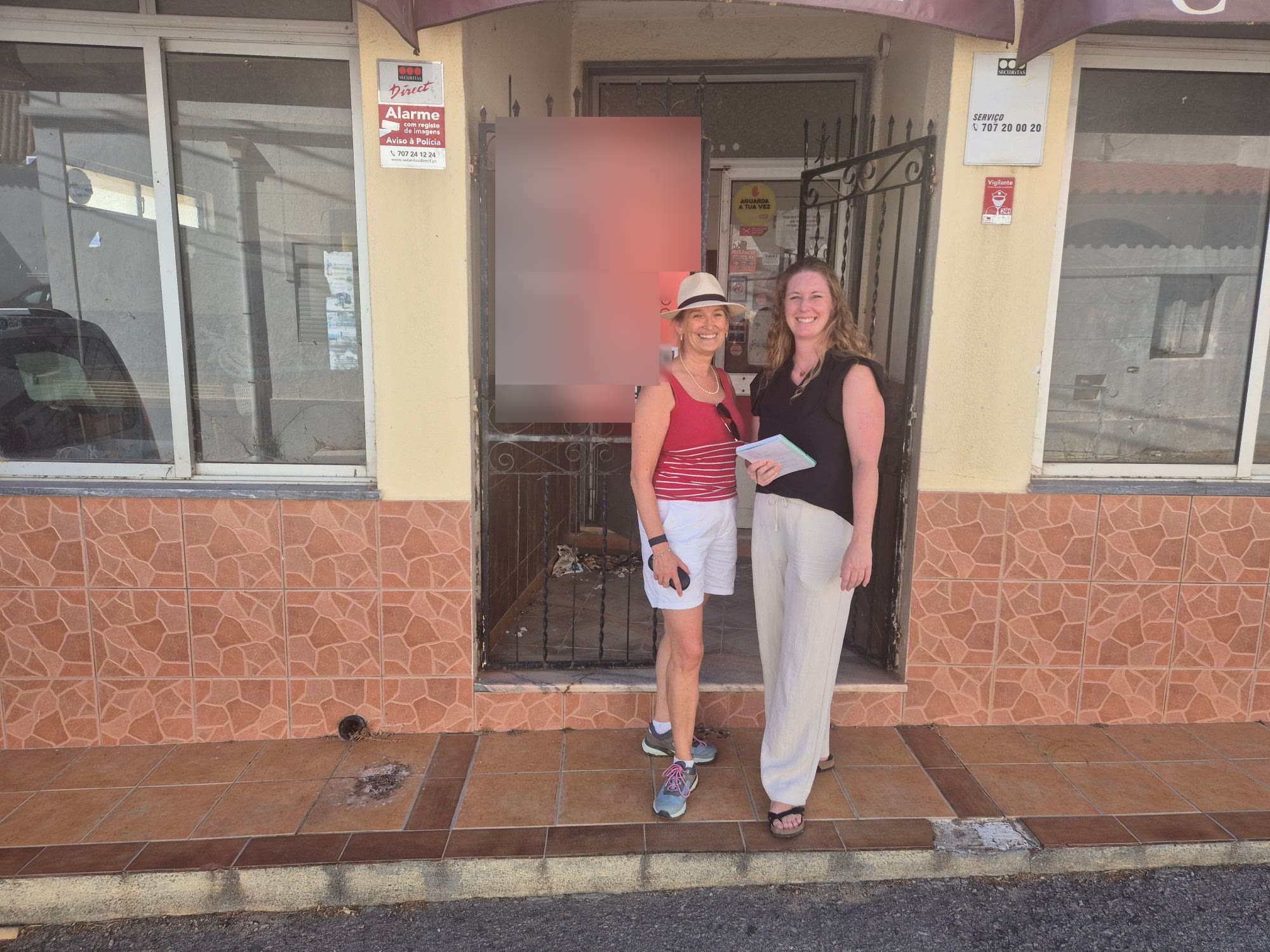
Building the foundation
In Australia I met a mentor who changed the way I saw it. A standard return on a property is around 5% a year, and 5% a year is okay. But with a few tweaks, the same property can bring in more, and that's where property really is different. It's also where I realised there are two kinds of people in this space: the accidental landlord, and the professional who goes out, learns the industry and understands how to make a property work harder. I had to learn to be the professional.
Over the years I've studied with ten property mentors across Australia and the UK. Some were brilliant and some weren't, and I learned from both. That's why I think of myself as a professional investor now, not someone who happens to own a few properties.
It wasn't always glamorous, and it wasn't always clean. Picture me up a ladder in Australia with an extension brush, painting out a water stain on the ceiling so a Victorian house would look right on auction day. The project team had drawn up plans and permits for the rear of the property, and those plans meant losing the car parking. That cost me about AUD $200k of the uplift I'd been counting on. I gained the plans and permits for the rear and I got my money back, but I didn't make a cent of profit.
I tell you that on purpose, because you should only ever believe the wins from someone who's willing to show you the misses and the losses.
And the wins did come. A burnt-out house that sold for double before we'd even started developing it. That Estoril flat, bought for €120k and worth around €480k today. Over ten years I've owned 22 buildings across 10 projects in the UK, Australia and Portugal, and I still hold 13 of them. These days I'm Head of Acquisitions at SW Partners In Property, building alongside my business partner, Wendy Eatough.
This time, the foundation came first.
Build the foundation. Then break free.
Free, and on purpose
I live in the East Algarve now, close to the Spanish border. I first came to Portugal about twenty years ago, left, and came back, and this time I'm staying, because this time there's something solid underneath me.
Today my income comes from several streams, some passive and some active, and together they pay for the life I'm living. There's rental income from property, an index-linked fund, NFTs, and the active work: acquiring new properties and making the ones we hold earn more. I'm looking at precious metals too. For some of my partners, their property is the passive part, precisely because I'm the one doing the active work. I'm building toward six streams in all, so that no single failure can ever put me back in a corporate chair.
I want to be straight with you about the NFTs, because they're a large part of what I do. When the robotic crypto trading failed, I kept looking for something passive in that space, and NFTs turned out to work for me. They work for me because of my own criteria. They are highly risky, and anyone looking at them needs to do their own due diligence. I'm not a financial adviser, and I'm not telling you to do this. It's simply one of my income streams, and I'd rather be honest about where my income comes from.
I don't have children, so my legacy looks a little different. There'll be something for my nieces and nephews, of course. But the part that really matters to me is going back to help the people who are going through the shit I went through. The more that foundation earns, the more of that I can do.
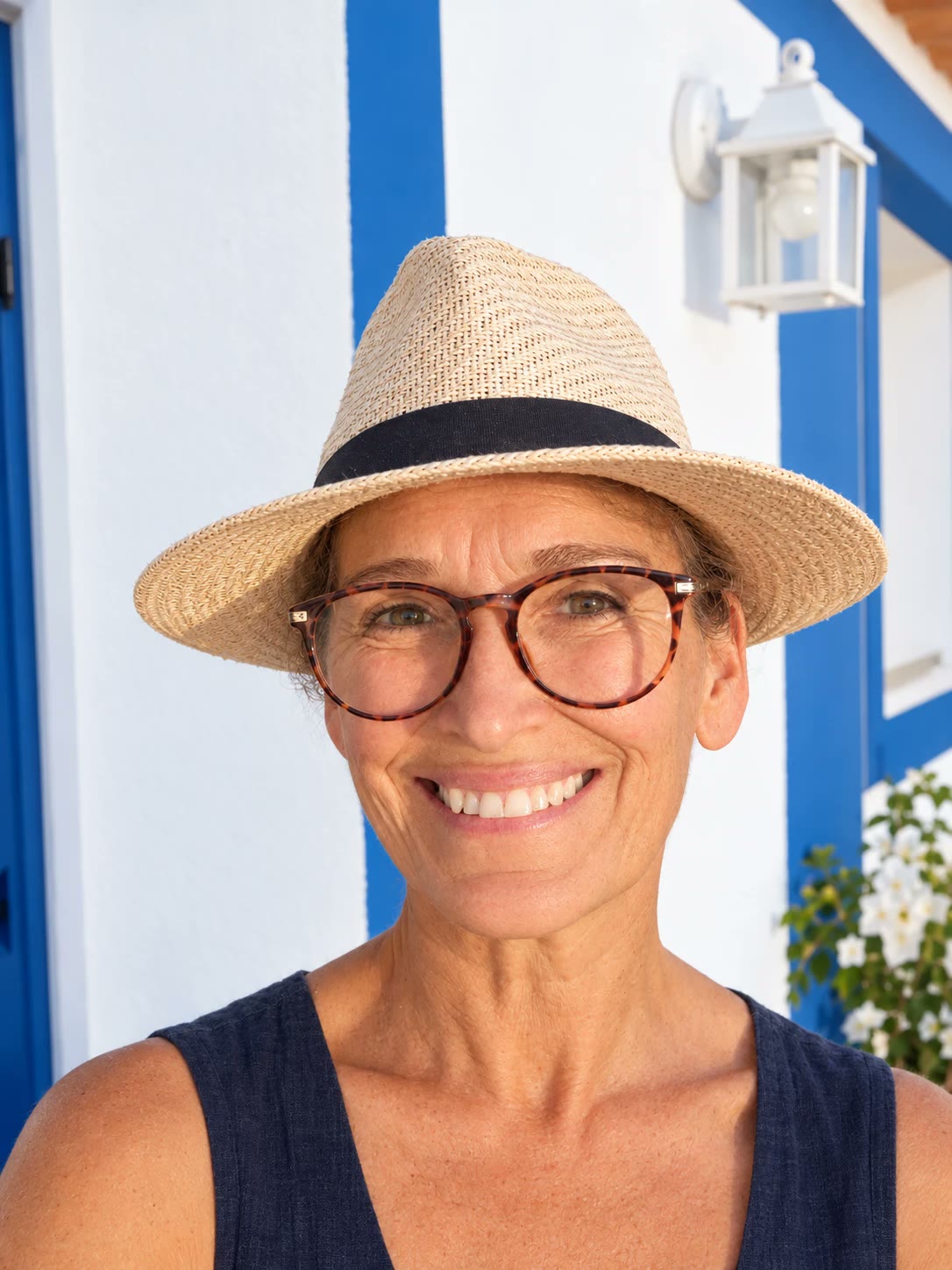
Away from the deals
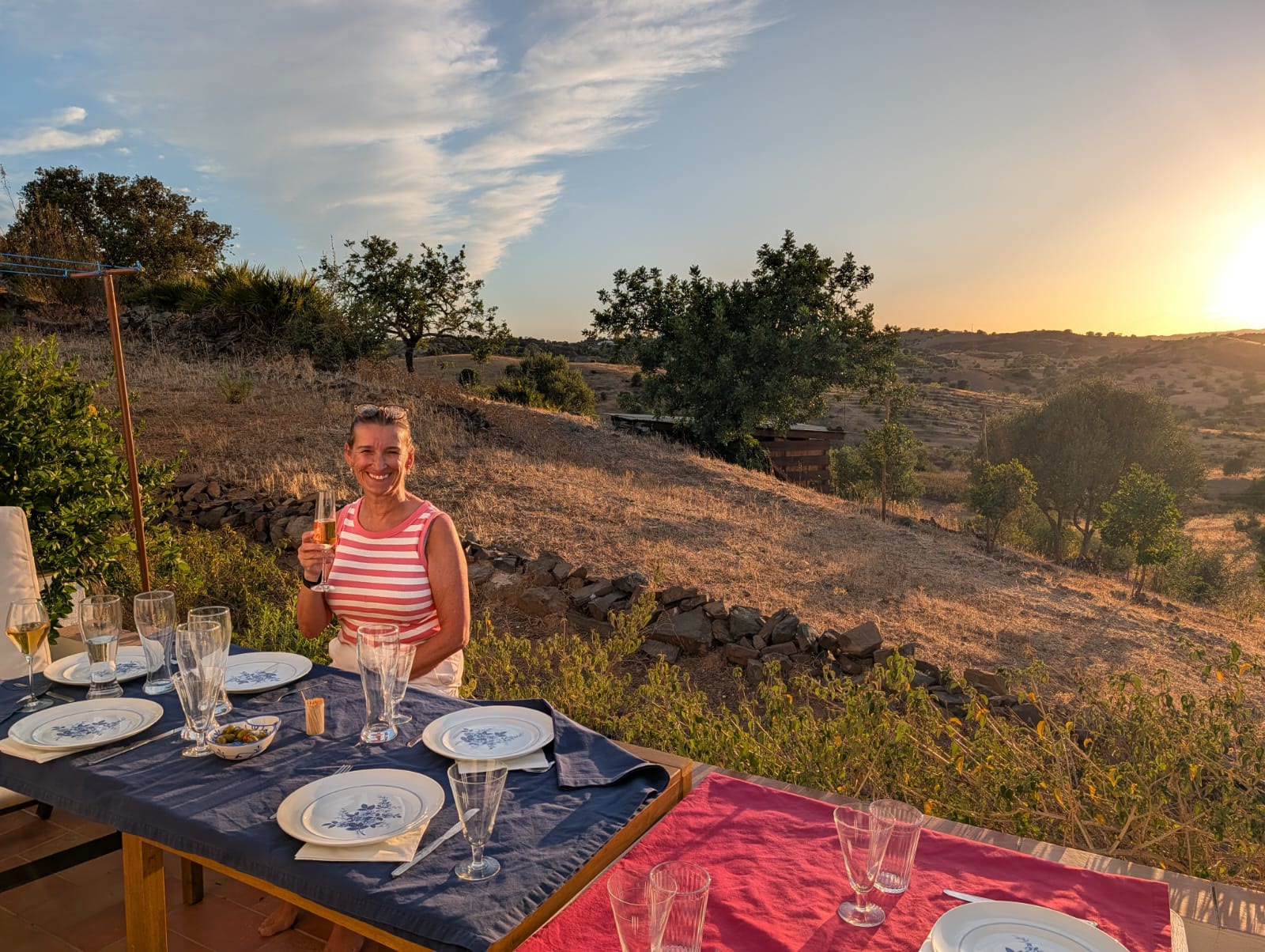
Ask anyone who knows me and they'll tell you the same thing: I'm happiest with people around a table, good food, good wine, and a conversation that runs late into the evening.
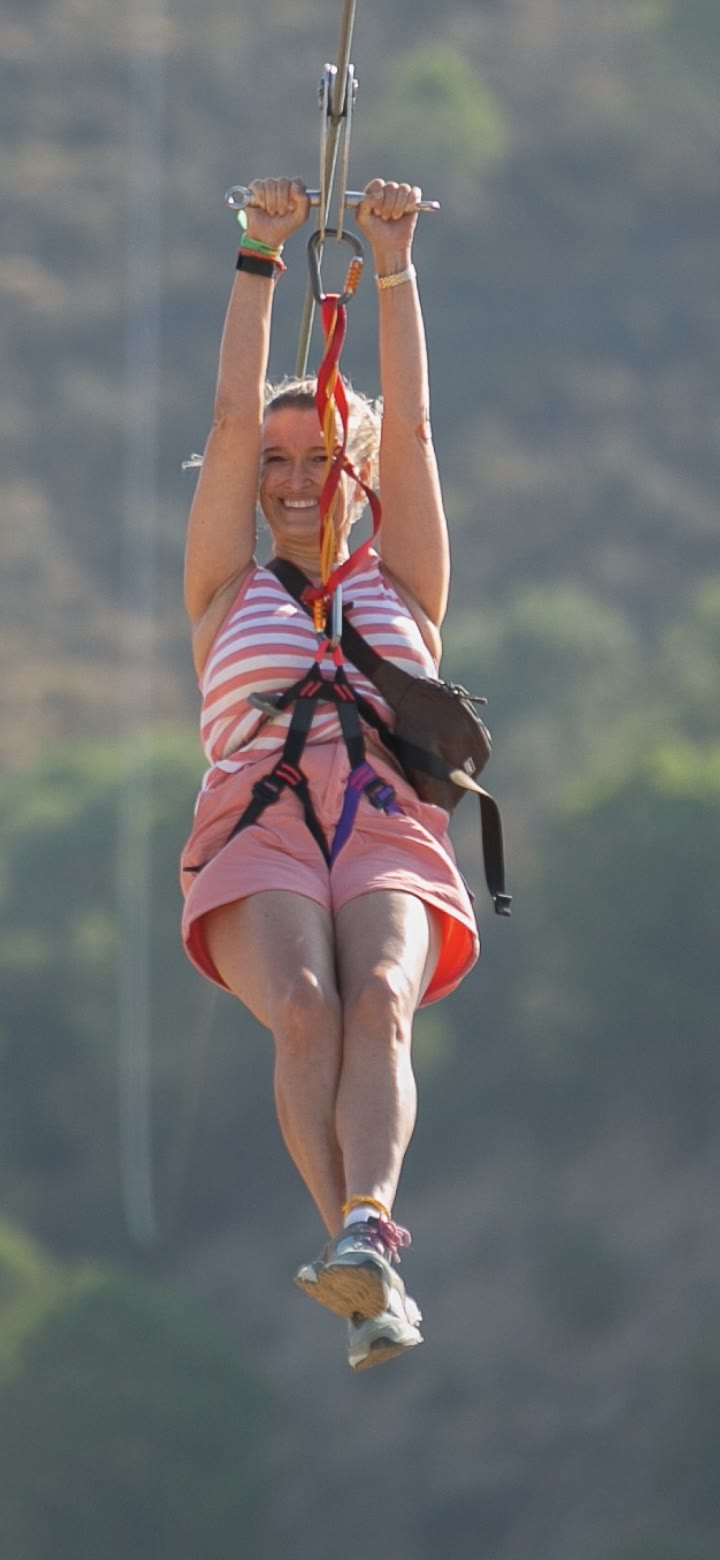
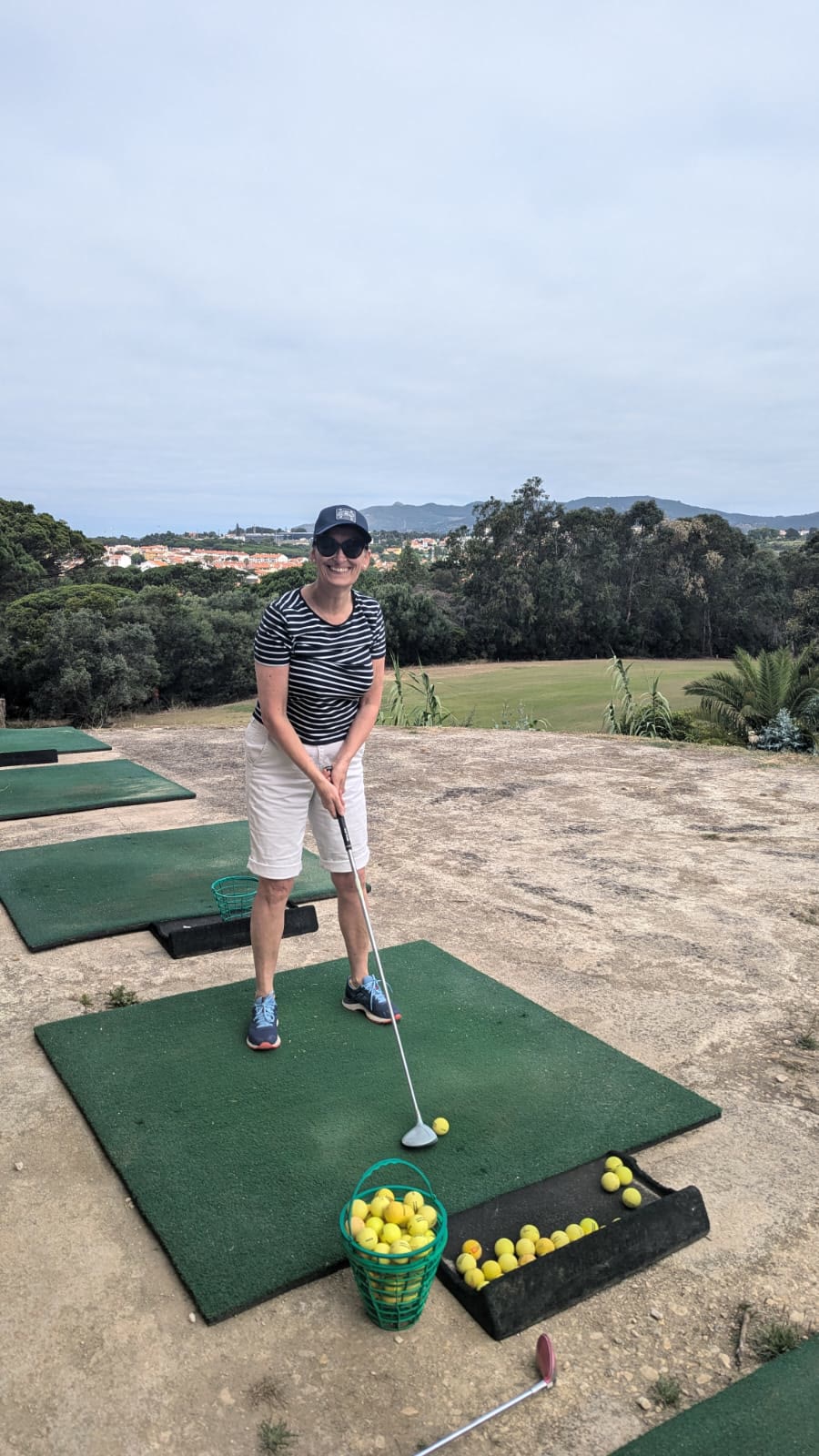
I'm not sporty, but I'll give most things a go. I've done the zip wire, I've played golf, and I go to the gym, though not as often as I should. That one's a work in progress. The zip wire is probably the truest picture of me. I'll take a risk, but it's a calculated one: I check the harness first, and then I go.
And these days a big part of my life is something I never saw coming: I'm learning to paint in watercolours. It switches my brain off in the best possible way. You have to be completely present and focused on the painting in front of you. It lets me do something creative, absorb myself totally and lose myself in something completely different.
And family matters enormously to me. The life I've built means that when something important happens back home in Northern Ireland, I can get on a plane and be there. For me, that's what freedom actually looks like.
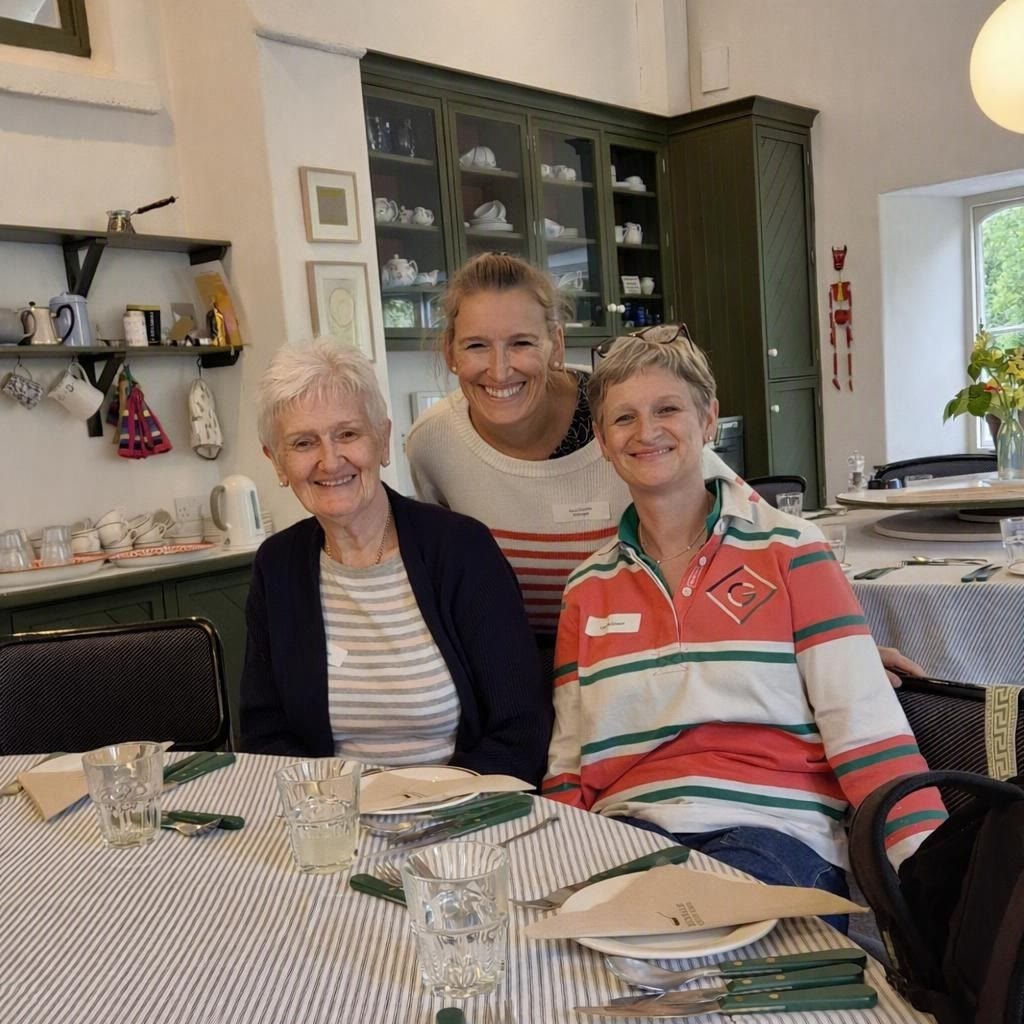
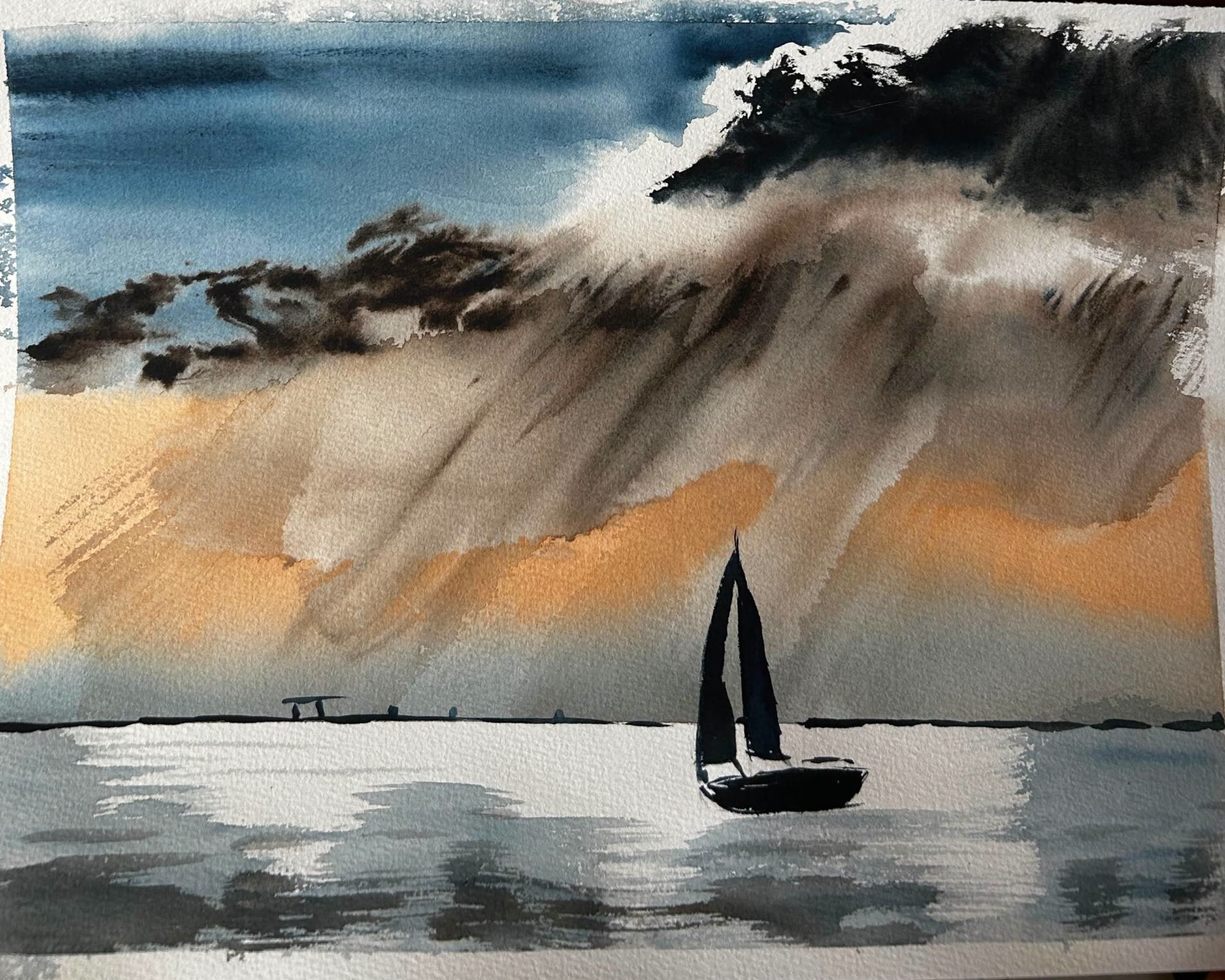
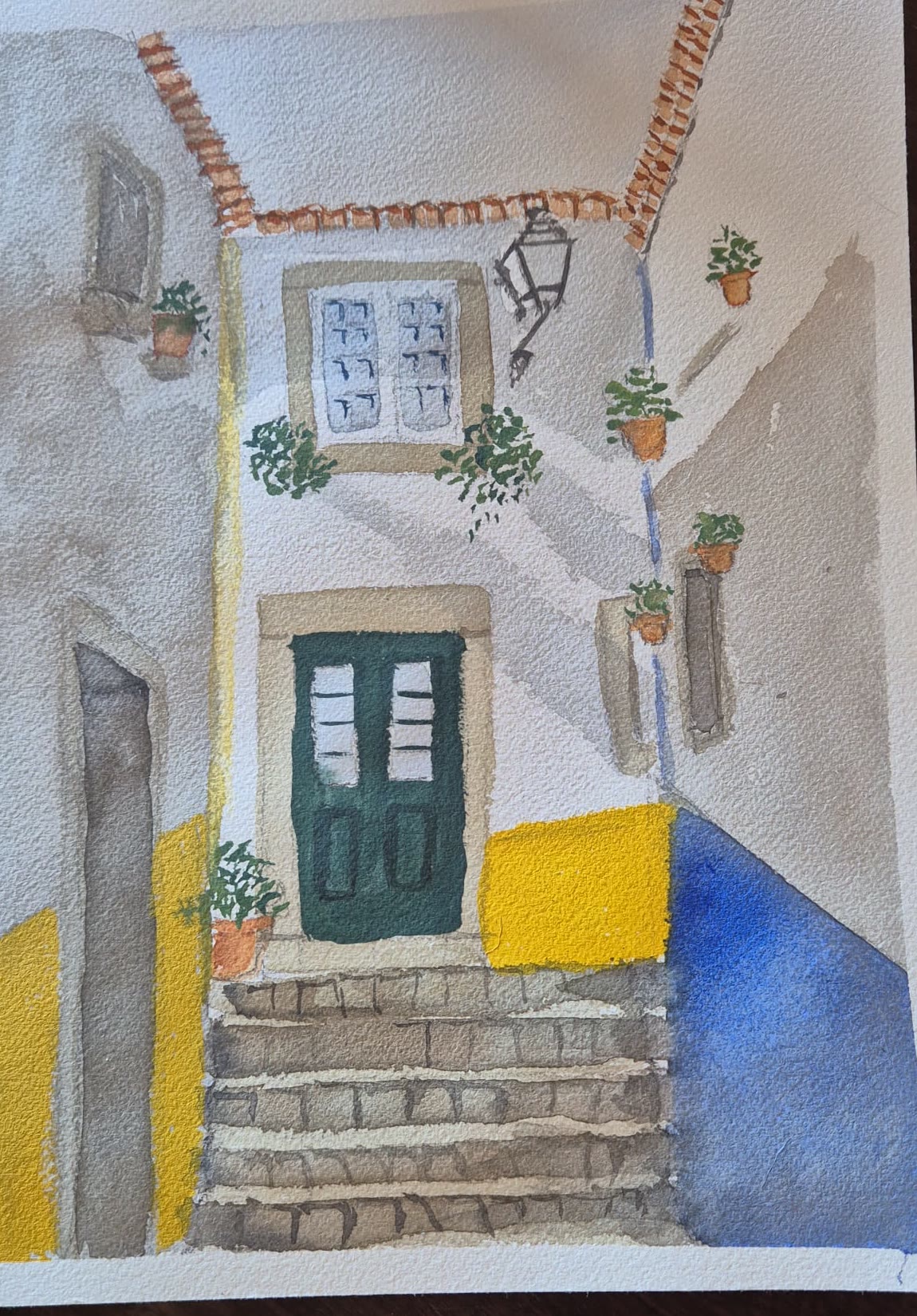
Two of my watercolours.
The long game
My long game is retreat venues for people with learning disabilities: places built properly, for them, and run by operators who know exactly what they're doing. They'll start here in Portugal, and in time they may follow into the UK and Australia, where I already have the connections.
When I think about it, I have to smile. The dyslexic kid who got called a dropout, building places for the people the system was never designed for.
Whatever your version of that is, build the foundation first. Then go out there and do it.
Follow the build as it happens.
Every other Thursday I share one real deal: the real numbers, and what went wrong.